The home sauna market is evolving in response to new expectations: connected cabins, redesigned materials, and growing enthusiasm for thermal rituals at home. Behind this trend, practical questions remain. Electrical connections, local regulations, and the choice between a traditional and an infrared sauna: buying criteria go far beyond simple comfort. The scientific evidence for health benefits also deserves careful scrutiny, as it varies depending on the type of cabin.
Electrical safety and installation requirements for a home sauna
Before choosing a model, start by checking the technical requirements. A traditional sauna uses an electric heater that requires a dedicated power supply, often three-phase for high-powered models. The connection must comply with current electrical standards, which in most cases means hiring a qualified electrician.
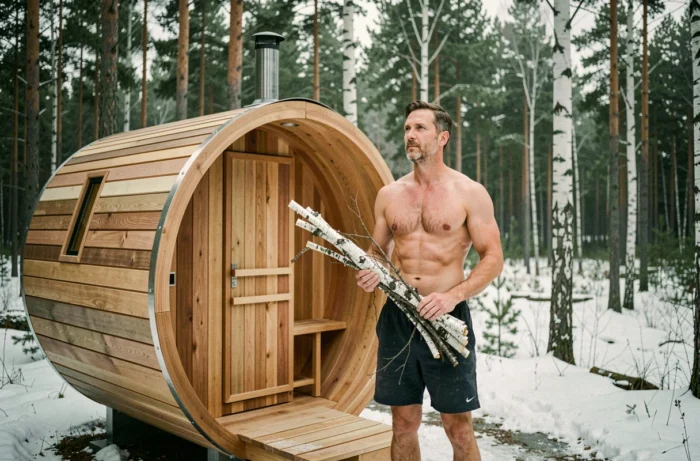
Outdoor saunas come with additional requirements. Check the local rules that apply to permanent structures, including planning permission, distances from property boundaries, and drainage connections. Buyers often underestimate these administrative steps as they focus on the anticipated wellness benefits.
Installing an outdoor sauna is subject to regulations for permanent structures, not just a simple equipment purchase. Cabin ventilation, floor waterproofing, and protection against moisture damage to the existing building (for an indoor sauna) are technical considerations that should not be overlooked. Browsing the latest news from Sauna Imelda shows just how much these practical aspects are becoming a priority for prospective owners.
Traditional or infrared sauna: what the available evidence says
The difference between a traditional (Finnish) sauna and an infrared sauna goes beyond the temperature you feel. A traditional sauna heats the surrounding air, which reaches high temperatures with varying levels of humidity. An infrared sauna uses radiant heat to warm the body directly, at lower cabin temperatures.
Health evidence cannot be applied interchangeably to traditional and infrared saunas. Studies on Finnish saunas examine a specific type of heat and protocol. Applying those findings to infrared cabins, as some manufacturers do, is a shortcut that the scientific literature does not support.
“Full spectrum” infrared: a weak marketing claim
Some models are marketed as “full spectrum,” combining near-, mid-, and far-infrared. The sales pitch is based on supposedly distinct benefits associated with each wavelength. No comparative trials have been identified that assess full-spectrum cabins against far-infrared cabins using measurable health outcomes.
It is best to choose between these technologies based on practical considerations:
- Perceived thermal comfort: some people find the very hot air of a traditional sauna hard to tolerate and prefer the gentle warmth of infrared
- Cabin build quality: assembly, insulation, wood type, and electrical certification of the heater or panels
- Actual electricity consumption, which varies considerably depending on the cabin’s power rating and size
- Available space and ventilation in the room where the sauna will be installed
Prioritizing build quality and comfort over unsupported medical claims remains the soundest recommendation for a long-lasting purchase.
Thermally modified wood for sauna cabins: benefits and limitations
Thermally modified wood (thermowood) is one of the materials manufacturers are promoting. The process involves heating wood to a high temperature to improve its dimensional stability and moisture resistance, without chemical treatment.
This material offers real advantages for outdoor saunas exposed to the elements. It is more durable than untreated raw wood. Thermally modified wood is not automatically emission-free: the modification process can release volatile organic compounds during initial use, and UV resistance remains limited without a suitable finish.
For indoor cabins, thermowood offers less of an advantage. Good-quality conventional wood (alder, aspen, or red cedar) works perfectly well when ventilation and drainage are properly designed. The extra cost of thermowood is most justified outdoors or in very humid environments.

Sauna benefits for stress and relaxation: what the evidence shows
The effect of heat on muscle relaxation and perceived stress reduction is supported by a fairly broad consensus. A sauna session causes peripheral vasodilation, raises the heart rate to a level comparable to moderate exercise, and triggers endorphin release, contributing to the feeling of well-being after a session.
Stress reduction is the best-documented benefit, for both traditional and infrared saunas. Effects on other health measures (blood pressure, immune function, and athletic recovery) are being studied, but the strength of the evidence varies by population and protocol.
Precautions for regular use
Staying well hydrated before and after each session is a basic rule. Anyone taking medication for high blood pressure or living with a cardiovascular condition should consult a doctor before making sauna use part of their routine. Session length, chosen temperature, and cooling-off time all directly affect comfort and safety.
- Keep initial sessions relatively short to see how your body responds
- Avoid alcohol before and during a session, as it increases dehydration and the risk of feeling unwell
- Allow enough time to rest after leaving the cabin before doing any strenuous physical activity
A sauna is not a medical device: it can complement a healthy lifestyle but cannot replace medical care. Therapeutic claims made by some retailers often go beyond what current evidence supports. Choosing a cabin based on ease of use, build quality, and installation requirements remains the most reliable way to enjoy lasting benefits.