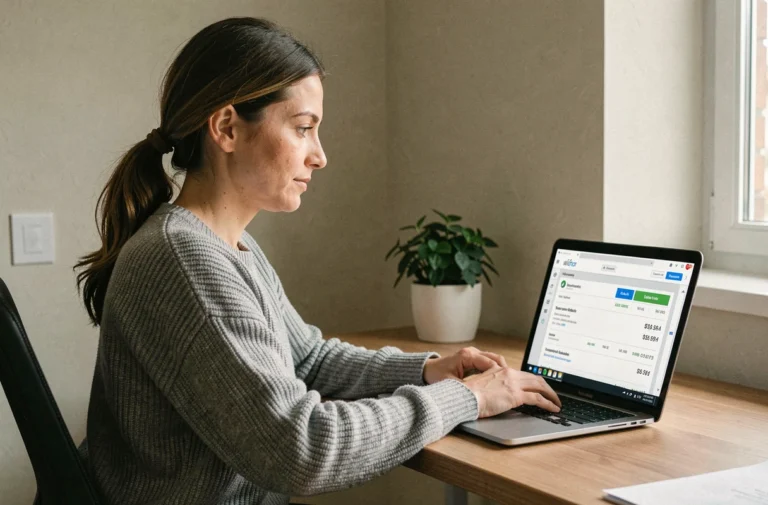
How much time do French adults actually spend on leisure at home, and how is that time divided between screens, hands-on activities and shared moments? Recent data on video games and digital habits paint a far more varied picture of leisure at home than a simple list of creative ideas. Understanding these habits can help you choose activities that fit your daily routine, budget and living situation.
Digital leisure at home: what video game figures reveal
Leisure at home is about more than hands-on or creative activities. Video games account for a significant share of French people’s free time at home.
| Indicator | Data |
|---|---|
| Video game revenue in France (2025) | €5.856 billion |
| Annual growth | +2.9% |
| Gaming frequency (self-reported players) | 43% play at least several times a week |
| Second-hand purchases (video game products) | Nearly six in ten users say they have bought second-hand |
These figures, drawn from French industry studies, show that video games are not a niche pastime. Nearly half of players game several times a week, making it a regular activity comparable to reading or exercising at home.
Market growth is partly driven by hardware sales. Consoles, accessories and headsets are regularly replaced, while the second-hand market makes them more affordable. Exploring leisure on Serie Tv Forum offers a glimpse into the wide range of discussions about TV series, gaming and digital interests people share every day.
Second-hand video games and sharing: an overlooked way to enjoy family leisure
Most lists of things to do at home present video games as a solitary, passive pastime. The data tell a different story.
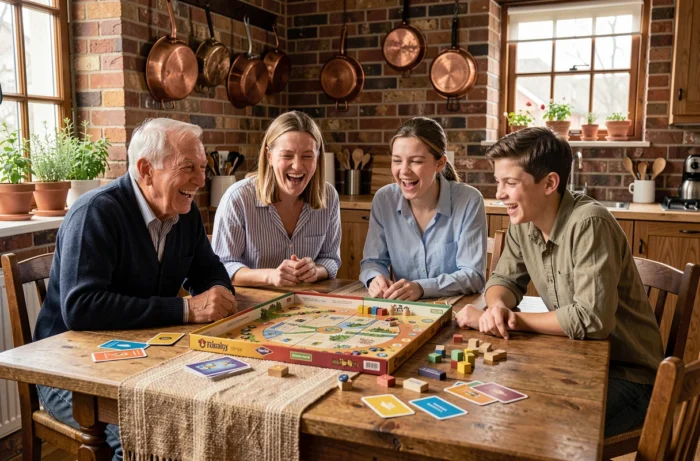
Local co-op gaming (two or more players on the same screen) remains a popular console format. Family-friendly titles make it possible to play together without an internet connection, turning gaming into a shared activity much like a board game.
Buying second-hand also changes the equation. When nearly six in ten users buy second-hand, it means games can be passed between friends, lent, resold or given away at little cost. This circular economy makes gaming more accessible than the retail price of a new console might suggest.
- Borrowing or swapping games with neighbours or colleagues cuts the leisure budget without limiting the choice
- A family co-op game often costs less than a trip to the cinema for four people
Including video games among shared activities at home, rather than treating them only as screen time to limit, opens up a range of activities often overlooked in traditional guides.
Noisy activities at home: the noise issue no one explains in detail
Learning guitar, setting up a home cinema, working out to music or doing DIY in the living room: these hobbies make noise. And the law does not only apply at night.
Noise can be considered a neighbourhood disturbance even in the middle of the day, under the French Public Health Code. A 2 p.m. electronic drum session on a Sunday could cause problems if it happens every week.
Condominium rules often impose additional restrictions, with time slots that may be more limited than those set by law.
How to reduce noise without giving up your hobby
- Closed-back headphones make listening to amplified music a quiet activity for the neighbours
- Thick rugs and foam mats absorb vibrations from workouts or dancing
- Letting neighbours know about a regular DIY time slot can ease tensions, even when there is no legal requirement to do so
Thinking about noise before choosing a hobby at home can help prevent conflicts that might eventually put you off the activity altogether.
Screen-free creative hobbies: choose one that fits your available time
Hands-on activities often feature in recommendations, but they do not all require the same level of commitment. How long it takes to get started affects how regularly you practise: a hobby that takes twenty minutes to set up is more likely to be abandoned than one you can begin in two minutes.
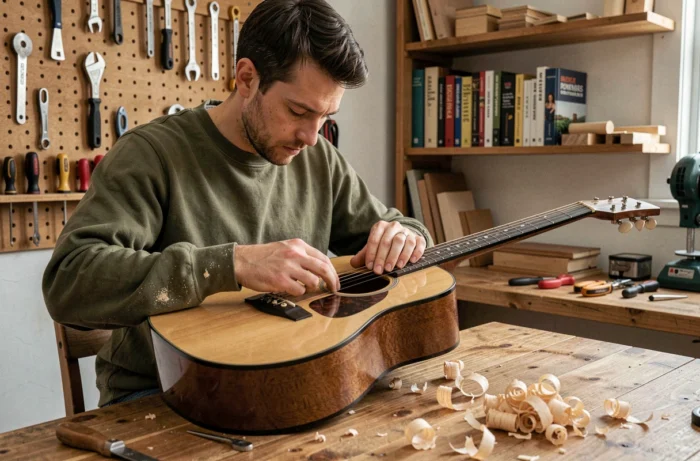
Drawing or sketching requires only a notebook and a pencil. Paint-by-numbers kits, popular with adults, need a dedicated space but are well suited to short sessions. Creative cooking (baking, fermentation or recipes from around the world) makes use of the family kitchen and produces something tangible to share.
The most reliable factor when choosing a creative hobby at home is neither cost nor difficulty, but the gap between wanting to do it and taking the first step. An embroidery kit kept in an easy-to-reach drawer will get used. A pottery setup that requires covering the floor with tarpaulins will remain just an idea.
Hobbies that last are the ones that fit into the gaps in everyday life: ten minutes of sketching before dinner, trying a new recipe on Sunday morning or playing a co-op video game after a meal. Consistency matters more than the scale of the project. A hobby practised three times a week for fifteen minutes brings more satisfaction than a three-hour monthly workshop that gets abandoned after two months.