A wake-up alarm after a night that was too short, lunch wolfed down between meetings, an evening spent in front of a screen: we all know these routines that chip away at our health without us realizing it. Adopting daily wellness habits doesn’t mean turning your life upside down. It means focusing on the small actions that genuinely improve quality of life, for both body and mind.
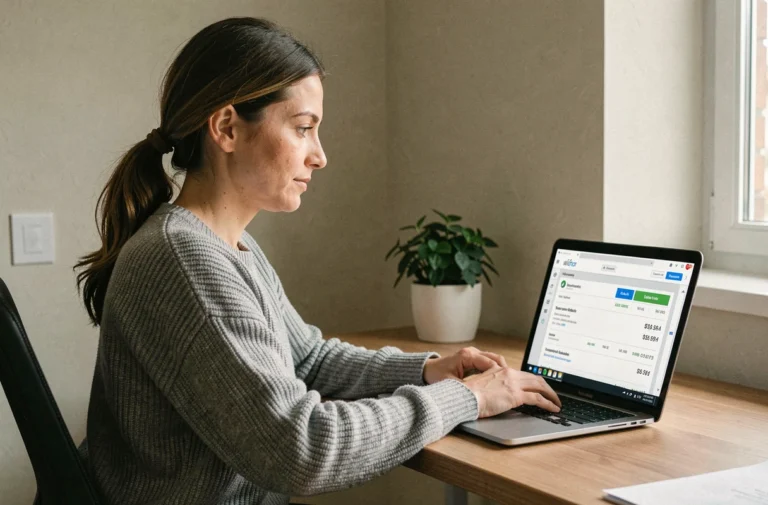
Desk-bound and sedentary: moving isn’t enough if you sit the rest of the time
You can run three times a week and still be sedentary. The trap is thinking that a workout makes up for all those hours spent sitting. Recommendations published on Santé.fr remind us that reducing the amount of time spent sitting matters just as much as being physically active.
In practice, this means standing up and walking for a few minutes at least once an hour. There’s no need to do squats between calls: refilling your water bottle, taking the stairs or stopping by a colleague’s desk instead of sending a message is enough to break up long periods of sitting.
Following the latest news from J’améliore ma Santé can help you spot recommendations like these as they’re published, without waiting for your next medical appointment.
It’s not about performance. It’s the frequency of small movements throughout the day that helps protect your back, circulation and even your mood. A pedometer or a simple alarm on your phone every fifty minutes provides a basic but effective reminder.

Free preventive health check: four age groups not to miss
The “Mon bilan prévention” program offers a consultation focused on lifestyle habits, screenings and vaccinations. It is aimed at four age groups: 18-25, 45-50, 60-65 and 70-75.
This appointment is nothing like a routine checkup. It covers chronic disease risk factors, stress, sleep and diet, and you leave with personalized guidance. The consultation is fully covered, with no upfront payment required.
What the checkup covers
- A review of any missing vaccinations or upcoming boosters, tailored to your age and medical history
- A discussion of eating habits, water intake and sleep routines, with advice adapted to your work and family circumstances
- Screening for signs of stress or isolation, with a referral to a doctor or mental health center if needed
Many people who are eligible don’t know they can get this checkup. If you fall into one of these age groups, simply contact your primary care doctor or health insurance fund to arrange an appointment.
Mental health and physical activity: a link recognized nationwide
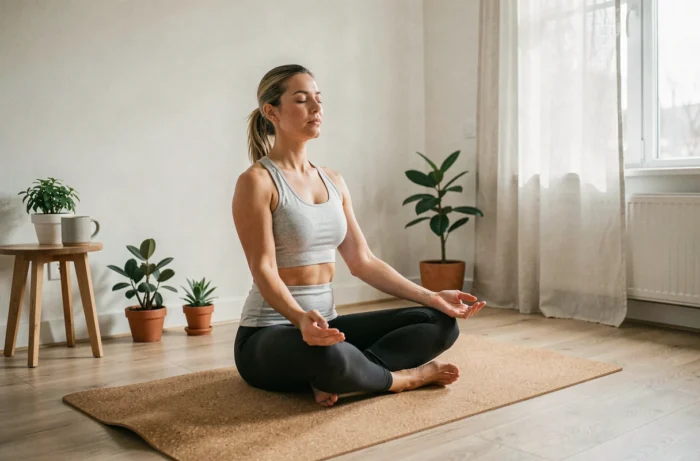
Mental health was named a Great National Cause in 2025. Among the approaches highlighted, physical activity is recognized as a way to prevent stress and anxiety. A government guide recommends gradually incorporating it into daily life, without setting performance goals.
This isn’t about running a marathon. Walking for thirty minutes, gardening or swimming at a moderate pace can help regulate sleep, reduce stress and build self-confidence. The guide also points out that if difficulties persist, reaching out to loved ones, a doctor or a mental health center is still the right course of action.
Tailor the advice to your own circumstances
Wellness recommendations only work when they fit the real-life constraints each person faces. Someone who lives alone, a single parent or a night-shift worker doesn’t have the same flexibility as an office worker with fixed hours.
The government guide identifies stress, isolation and living conditions as factors that can undermine mental health. You can’t impose the same routine on such different situations. The best approach is to choose one or two realistic habits and stick with them over time, rather than piling on ten resolutions that last a week.

Screens and connected living: the effects on sleep and the body
Screen time is about more than simply being told to “put your phone down.” An ultra-connected daily life affects sleep patterns, posture and the ability to concentrate.
The problem isn’t the screen itself, but when and how long you use it. Constant notifications throughout the day fragment your attention and keep stress levels simmering in the background.
Three practical ways to take back control
- Set a time to switch off in the evening, at least thirty minutes before bed, and leave your phone outside the bedroom
- Turn off nonessential notifications during work or rest periods to reduce the stress caused by constant interruptions
- Replace passive scrolling with a short bout of physical activity (stretching or walking) when you feel eye strain or mental fatigue setting in
These changes don’t cost a thing. But they do require making a clear decision and sticking to it, which is often the hardest part once habits are ingrained.
Everyday health is rarely built on major lifestyle overhauls. One targeted action, repeated every day, delivers better results than an ambitious plan abandoned after ten days. A free preventive health check, reducing sedentary time and using screens mindfully are three accessible ways to get started, whatever your lifestyle.